Fingerprints — Important Piece of Evidence

Fingerprints have been studied for uniqueness, identification and criminal importance for more than one hundred years.  The significance of fingerprints and the criminal justice system can’t be undervalued; they can implicate the guilty by linking a criminal to the victim and the scene of the crime and exonerate the innocent.  Through technology and expertly trained fingerprint examiners, the fingerprint can be the single most important piece of evidence for solving a crime.   

Fingerprints became an important identification of criminals in a criminal investigation when a book written by Sir Francis Galton from England titled “Fingerprints” was published in 1892.  It has been discovered that the earliest known fingerprints were used by the Chinese in the 700s for identification purposes to establish identity of documents on clay tablets. 

In 1924 by the act of congress, the Identification Division of the F.B.I. was established and consolidated fingerprint files.  By 1946, the F.B.I. had processed over 100 million fingerprint cards.  These cards were maintained manually and by 1971 had doubled.  It was not until the mid 1980s that the Automated Fingerprint Identification System was established (AFIS).

Fingerprints play an extremely important role in crime scene investigations. 

Why? 

Fingerprints are considered to be an infallible means of identification.  No two fingerprints are exactly alike.  However, since fingerprints are extremely valuable, they are also an extremely fragile pieces of evidence.  In crime scene evidence recovery, it is essential that fingerprints be located, processed, and recovered first.

In this last century, a high profile case such as the assassination of President John F. Kennedy benefited from this procedure; a palm print was discovered underneath the stock of the Mannlicher-Carcano rifle that belonged to Lee Harvey Oswald.  In another high profile case, the assassination of Dr. Martin Luther King Jr., the crime lab made an important discovery of latent fingerprints on the rifle found to belong to James Earl Ray.

In 1684, Marcello Malighi, a professor of anatomy from the University of Bologna, took note of the ridges, spirals, and loops in the fingerprints.  It was not until 1904 did the United States began the use of fingerprints as identification in the Leavenworth Federal Penitentiary in Kansas.  It seems amazing that a hundred years passed until fingerprints began to be used to identify criminals.

What exactly are fingerprints? 

Every human being has friction ridges located on the hands and feet.  These friction ridges have a specific detail on the gripping surfaces with an enhanced quantity of nerves and pores.  These tiny raised peaks and valleys are located on the tips of the fingers along with sweat pores.  This gripping skin has been described as similar to the tread of an automobile tire.  The friction skin has a structured dermis layer with the friction layer of skin that includes the sweat pores.  There are extra pores that remain moist and help the skin to remain soft and pliable, which presents better frictional characteristics of the print.

For more information about fingerprints, check out these books:

Contrast: An Investigator’s Basic Reference Guide to Fingerprint Identification Concepts

By Craig A. Coppock

Friction Ridge Skin: Comparison and Identification of Fingerprints

By James F. Cowger

Techniques of Crime Scene Investigation

By Barry A.J. Fisher

 
Jennifer Chase
Award Winning Author & Criminologist
Posted in crime, Forensic | Tagged , , , , , | 3 Comments

Search Dogs Helping Find Victims in Joplin

The stories that have been coming out of Joplin, Missouri over the past week have been heartbreaking, inspiring, and terrifying.  As everyone knows, the city was struck by the deadliest tornado in United States history on May 22.  As of the writing of this post, the death toll from the EF-5 tornado had risen to 142 with more than 100 people still unaccounted for.

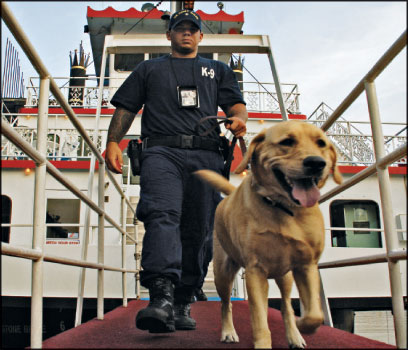
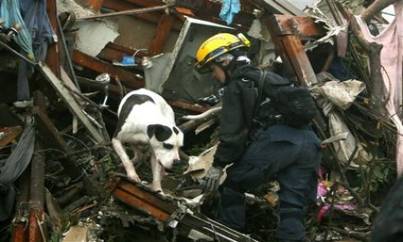
Among the countless stories of heroism and of people driving from hundreds of miles away to offer their services or just a shoulder on which to cry, police dogs have been playing an important role in searching for residents of Joplin, both alive and dead, who are trapped beneath the rubble.  These specially trained canines are able to detect human scent and have been brought from throughout Missouri and neighboring states to put their skills to work.

Readers of this blog and people who know me are well aware of my passion for dogs and my desire to share the amazing work they do in so many capacities, in addition to being wonderful companions and valued members of the family.  They are able to help in ways that humans or even the finest of technology is not.  In the midst of so much destruction and heartache, sometimes it is nice to look at these moments that were made possible by dogs and that bring some sense of joy or at least peace.

My thoughts are with all of the people of Joplin as they deal with their collective grief and then begin the rebuilding process.  I cannot imagine what it is like to face a scene of devastation that occurred in a few brief minutes of time.  The people of Joplin are demonstrating great courage and a beautiful sense of community that I know will serve them well as they move forward.

Posted in Forensic | Tagged , , , , | Leave a comment

Photography Sunday — California Dreamin…


I find myself drawn to the beaches in California year round.  My camera captures the subtle changes of light, sky, and water.  This particular day I couldn’t help but snap a few shots of a lone surfer walking down the shoreline in search of the perfect wave. 

I may have found some thrilling waves down the other end of the beach. 

Everyone have a wonderful Memorial Day Weekend!  Be safe, have fun, and stay inspired to all the beauty that surrounds us.

Posted in Photography | Tagged , , , , | Leave a comment

Has Crime Gone to the Dogs?

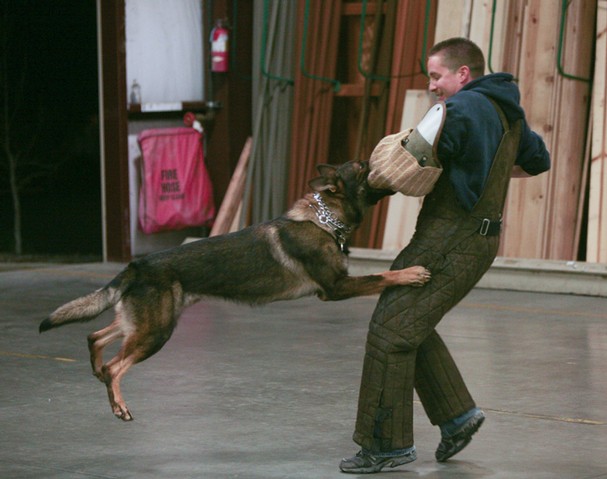
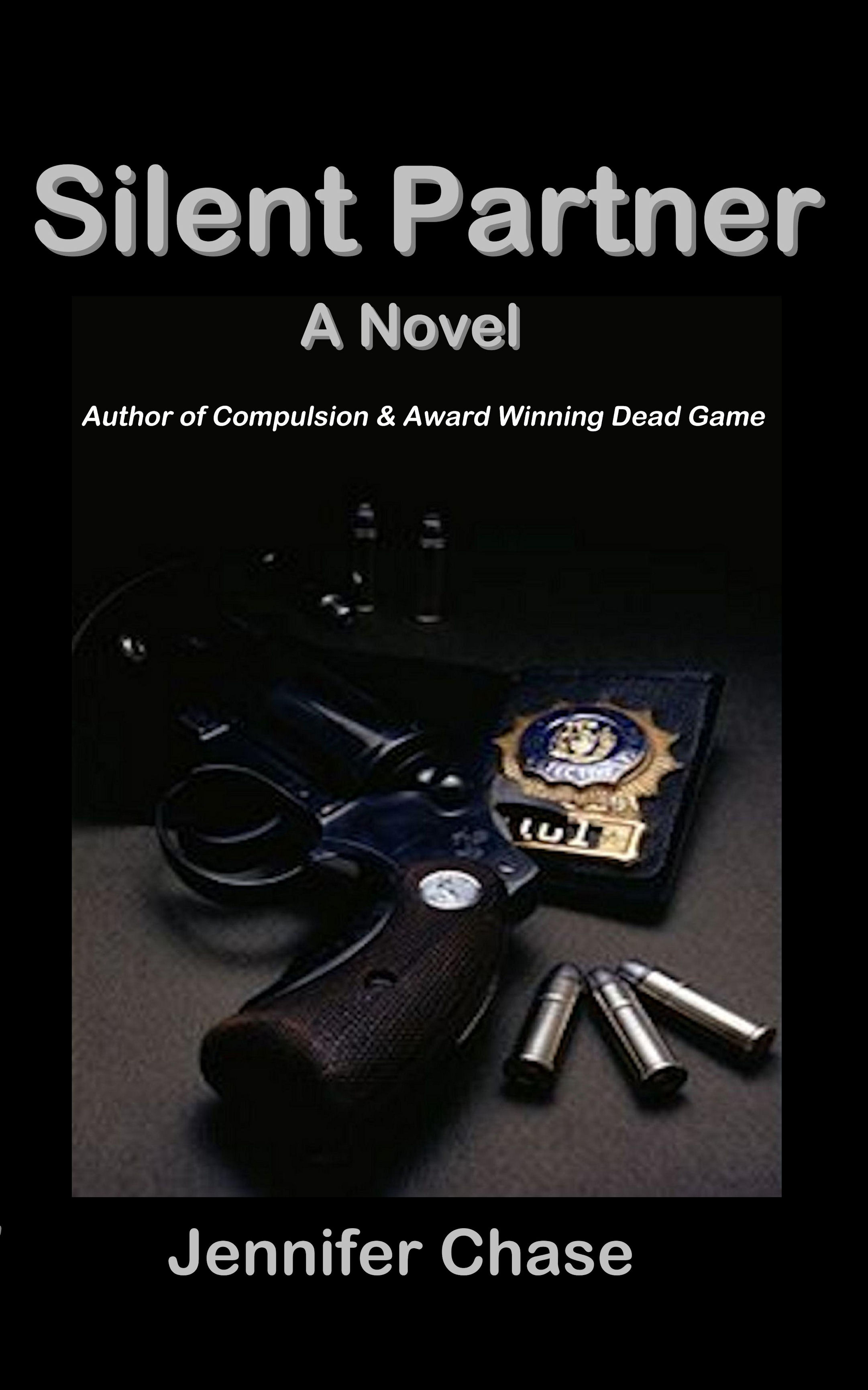
In researching my latest novel Silent Partner, I found myself immersed in the police K9 training world.  I wanted to create a main “cop” character that was also a K9 unit.  This was a challenge, but I felt that it made for an interesting storyline and added another dimension to the plot. 

There are a few misconceptions about police dogs.  The most common one is that these dogs are mean and vicious.  That’s completely false.  Most of these dogs are family dogs when they’re not working.  They are loving, friendly, loyal, and love their doggie toys and humans just like any other dog.

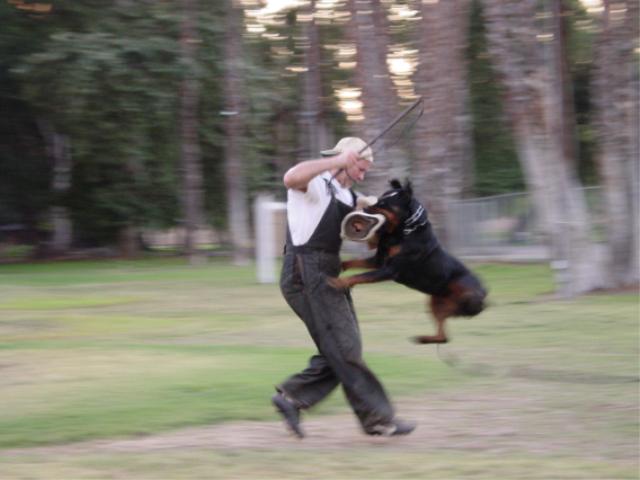
These dogs are first run through what’s called the “courage test” to make sure that they are indeed balanced and have the disposition to become a police patrol dog.  Not all dogs pass this test.  The ones that don’t pass still go to good homes as a family or security dog.  The next step is that these dogs are run through general obedience and agility training.  Once these dogs are trained and matched with a human partner, the real training and bite work begins.  All these dogs are rewarded their favorite toy after each bite during training.  It’s all about fun for them. 

I found myself mesmerized watching these courageous dogs train with their partners.  With the different personalities of police officers, there are different personalities of dogs as well.  I loved to see new K9 units begin their training and evolve into an efficient, impressive, crime fighting team.  The bond that develops between police officer and dog is like no other.  The loss of a K9 partner is deep and lifelong.   

Many of these patrol dogs are cross-trained for scent work, such as tracking, narcotics or bomb detection.   I had the incredible opportunity to participate in the 160-hour narcotic training course with my highly driven Labrador retriever Trucker.  It was an experience that I will not likely forget.  We learned as a team to detect heroin, cocaine, methamphetamine, and marijuana.  We searched locations such as cars, warehouses, trailers, houses, outdoor vicinities, prisons, schools, and many other types of structures. 

I would strongly recommend for anyone interested in how police K9 works is to watch a local police K9 demonstration or attend a police K9 competition. 

Check out Silent Partner and find out how I’ve incorporated these fearless heroes in the story.

Posted in K9, Silent Partner | Tagged , , , , | Leave a comment

Emily Stone Now Has Her Own Crime Watch Blog!

Emily Stone tracks down child predators and serial killers in Compulsion and Award Winning Dead Game.  She cares about the safety of others and the injustice of unsolved cases.  She gathers all of the detailed crime scene information and finds the bad guys – all anonymously for the cops.

Could Emily Stone have her own blog?

She does now!

You will find crime and safety tips, cold cases, crime statistics, information about the missing, and much more.  I will continue to update it regularly.  Stop by.  I would love to hear from you.

Stay safe!

Check it out:

 http://emilystonecrimewatch.wordpress.com/

Posted in crime | Tagged , , , , , , | Leave a comment

13 Little Known Facts About Author Jennifer Chase


Curiosity is often that annoying voice in my head.  I always want to know why or what happened…”

It’s friday before a nice long 3-day weekend.  I thought I’d lighten things up a bit with some fun.  Actually, poking fun at my expense.

Here’s some little known facts about me: 

  1. Absolutely loves writing when it’s raining outside.
  2. Could have been an FBI special agent.
  3. Gets her best creative ideas when driving, vacuuming, walking on the beach, or taking a shower.
  4. Never wears shoes when she’s writing.
  5. Has been spotted singing in a Karaoke bar once or twice.
  6. Can communicate well with the Labrador retriever.
  7. Secretly enjoys Harry Potter movies.
  8. Always listens to classical piano music when writing thriller-oriented chapters of her books.
  9. Has been accepted as an “honorary member” of a police department.
  10. Earned a 4.0 GPA for her bachelor’s degree in police forensics.
  11. Actually likes brussel sprouts.
  12. Still has a few Nancy Drew Mysteries on her bookshelf that she won’t ever part with.
  13. Hates the taste of coffee — but loves coffee ice cream.

Have a fantastic weekend!

Blog: www.authorjenniferchase.com/
Website: www.jenniferchase.vpweb.com/
Crime Watch Blog: www.emilystonecrimewatch.wordpress.com/
Book & Crime Talk: www.blogtalkradio.com/jennifer-chase/
Books: Compulsion = Dead Game = Silent Partner = Screenwriting
Posted in Uncategorized | Tagged , , , , | Leave a comment

Behavioral Patterns of Homicide and Writing Crime Fiction

Criminal homicide is divided by statute: murder in the first degree, murder in the second degree, and manslaughter.  The corpus delicti  (the objective proof that a crime has been committed) of homicide must include these three elements:  an evidentiary showing the death of a human being, showing of a criminal agency (perpetrator), and that the criminal agency was the proximate cause of death.

These questions should be answered when you begin to plan your novel and create your outline.

What is the most interesting part of conducting a homicide investigation?

What are the basic patterns of homicide and how do they relate to the fictional story?

What was the motivation of the murder?

Who was the victim and what was their relation to the killer?

This is not only one of the important pieces of the puzzle in the criminal investigation, but it also an important aspect to writing any crime fiction.  Basically, you have to know why a character(s) were murdered and why and how they committed the crime. 

The best time to incorporate details into your mystery, thriller or suspense novel is to detail as much as you can about the motivations of the murderer in the book outline.  Many writers/readers have asked me how long it takes for me to write a novel and if I outline my novel.  My answer is yes to outlines.  I always have an extensive outline for any story I’m working on.  The best description of my outline would be a really basic, choppy first draft of my story. 

To me, it just makes sense to have a detailed roadmap of your story, especially a crime story.  That’s not to say that you can’t make changes or bring in other elements of the story as it evolves through the creative process.  I can’t emphasize enough… outline… outline… outline.  It will make writing your crime novel from beginning to end a real joy and you have only a minimal amount of rewrites.  It will actually allow you to write faster, organize your time more efficiently, and you’ll be more satisfied with faster results.

There are eight basic behavioral patterns to homicide, in addition to some variations of each type to help with outlining your story.

Felony Murder

The death results from injuries by someone who is committing a felony, such as a robbery.

Sex & Sadism Murder

The death results from unusual violence, such as following the crime of molestation, rape, or sadistic acts.

Murder-Suicide

The death involves the killer taking his/her own life after killing another person.  It’s often common in a murder-suicide “pact” of husband and wife, boyfriend and girlfriend, or even parent and child.

Random Killing

The death involves the killing of a random person.  This is one of the most difficult murders to solve.

Murder for Profit

The killing of another person and the killer benefits from their death.

Revenge or Jealously Killing

The killer has a connection to the victim and kills because of revenge or jealously.

Triangle Killing

This killing is generally in association with a love triangle, such as husband, wife, and mistress.

Anger Killing

This killing is generally an extension of a crime of assault where after a dispute, anger develops.

Take the time to outline your story, delve deep into your characters and motivations, and have some fun along the way.

Posted in Writing | Tagged , , , , | 1 Comment